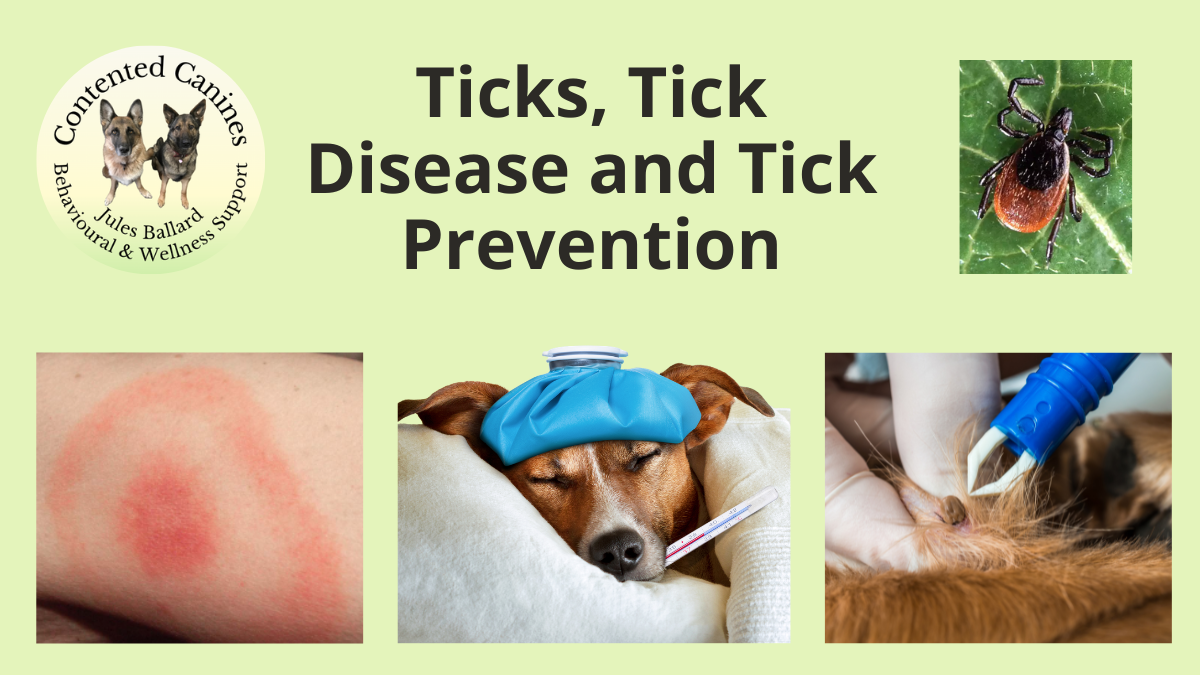
Ticks, Tick Disease and Tick Prevention
 Jules Ballard
Introduction
Ticks are small blood-sucking arthropods present throughout the world in many different environments. There are over 900 species of either hard or soft bodied ticks and about 20 species in the UK. They are mostly found in woods, fields and moorland, though can also be found in parks and gardens. Ticks climb up a piece of vegetation and wait to catch hold of a passing animal or human. This wait is known as questing. They use special sensory organs on their front legs to detect stimulants such as carbon dioxide, changes in light, and body heat given off by hosts. As a host brushes past the vegetation, the tick climbs on and attaches. In England, tick activity increases during spring, peaking from April to June. During this period, the risk of acquiring a tick bite is highest.
A Tick's Mouth
A tick’s mouth is made up of three main sections: the hypostome which is a needle like barbed structure positioned between the two chelicerae. The underside of the hypostome is covered in backwards-facing teeth that help the tick hook into the host. Once the tick’s mouthparts are fully embedded, it will inject its saliva into the host whilst feeding on their blood. Compounds in their saliva numb the area so hosts don’t notice that they are being bitten, and it also causes the blood to pool under the surface of the skin at the bite site. It is the saliva that transmits any disease-causing pathogens that may be present.
6a73429ee186e_lg.png)
The Life Cycle
Depending on the species, ticks can live for up to three years, during which they go through four distinct life stages: egg, larva, nymph and adult. A tick has only one goal, to find a host to feed on. The female tick lays eggs outside in the environment usually in springtime, and is capable of producing thousands of offspring. The only exception is the brown dog tick which can lay eggs indoors. Eggs can appear translucent and are usually red and brown in colour. After laying her eggs she dies.
Once the egg hatches, a tick needs a blood meal at each stage in order to survive and continue to grow. In the summer, tick eggs will hatch into larvae which only have 6 legs. They do not carry infection at this stage, but the small animals like mice, rabbits, voles and birds which they usually feed on, often do.
After feeding for 3-5 days the larvae drop off the host, digest the blood and develop throughout the autumn and winter, sheltering beneath leaf litter or nesting on another host for warmth. The following spring, they have transitioned into 8 legged nymphs. At this stage, ticks may seek out larger hosts such as deer, sheep, dogs and humans. They feed for 5-8 days from their chosen host.
Nymphs that became infected with disease-causing bacteria during their larva stage can transmit these pathogens to hosts such as humans or pets at this point in their life cycle causing various infections. Uninfected nymphs can also pick up bacteria from infected hosts such as deer, which can then be transmitted during their adult stage. Nymphs transition to either male or female adults over the Autumn and Winter.
6a4f49e31a0b3_lg.png)
Ticks usually start becoming apparent in April, but can appear earlier if the weather is mild. Female adult ticks can feed from 7-14 days. After feeding, adult ticks will mate with the male who dies after 1 or 2 mates. The females will lay thousands of eggs, dying soon after, and a new generation of ticks begin their life cycle. Many ticks will die at each stage of the cycle if they fail to find a blood host.
6a7c8c1e00816_lg.png)
Sheep/Deer Ticks Ixodes ricinus
This tick is commonly called a sheep or deep tick because adults have the greatest reproductive success on sheep and deer, but it is also called the black legged tick or castor bean tick. Despite their common name they will feed on any mammals, birds or lizards particularly in the larvae and nymph stages. Unfed they are 3-4mm and a reddish-brown colour which looks greyish brown once they have fed and are engorged. It requires high humidity (almost saturation) to prevent dehydration on the ground, so it tends to be found in greater numbers in wetter areas, particularly in the West and Northern England and Scotland. However, it is also found in dry areas all over the UK.
Hedgehog Ticks Ixodes hexagonus
The hedgehog tick is the second most common tick on dogs and often the most common on cats. An adult is 3.5-4mm unfed. The larvae occur more or less exclusively on hedgehogs but other smallish mammals that have nests/dens may become infected (stoats, weasels, ferrets, foxes, and badgers). They occur all over the UK, but are more prevalent in SE England
Ornate or Marsh Tick Dermacentor reticulatus
This tick is known by a variety of names, the ornate dog tick, ornate cow tick, meadow tick or marsh tick, reflecting its variety of habitats, but it got its most popular names from its ornate markings. It is 4-5mm unfed and can swell to 15mm after feeding. It is found up to 1,000m above sea level on grasslands, edges of meadows, grassy woodland paths, along rivers and streams, in marshy areas, coastal sand dunes and peat bogs usually in West Wales and South-West England, particularly North Devon, but has recently been found on the coast in South-East Essex.
The British Dog or Fox Tick Ixodes canisuga
This tick is found primarily in kennels, and occasionally catteries, it can be present in large numbers. It is 2.8-3.2mm unfed. The female can survive a lower humidity and can climb to a considerable height to lay eggs in cracks and crevices of roughly constructed buildings, even in the ceiling or plastered wall. It occurs throughout the UK and Ireland. It is also found on medium to larger mammals that have a burrow or lair, eg. Foxes and badgers, so that dogs that like burrowing might acquire single ticks from these habitats.
Other ticks
Bird ticks Ixodes frontalis are found in their nests in bushes, brambles and hedgerows, in woodland, parks and gardens. They are 2.8-3.2mm unfed. They occur particularly in SE England and coastal areas of the west and north. Vole ticks or Shrew ticks, Ixodes trianguliceps are found in their nests and those of other rodents. It is widely distributed in the UK, particularly in wooded areas, it is very occasionally found on pets. The Red Sheep tick Haemaphysalis punctata is less common and feeds on both birds and mammals. It is found in marshlands and coastal areas, and is 2.5-3.5mm unfed.
Lyme disease
Lyme disease was named after the town of Lyme in Connecticut where it was first discovered in 1975 in children who had septic arthritis, though it took another 7 years to identify the bacteria. Lyme disease is caused by a spirochaete bacteria called Borrelia which lives in deer, mice, voles, rabbits and birds. Surveys of different wildlife species indicate that amongst the most significant carriers of the Borrelia bacteria are blackbirds, thrushes, and robins. In the UK ticks become infected by feeding on a host and are then able to pass this on to any other species through their saliva. It is estimated that only 2-4% of UK ticks carry Borrelia. It has been identified in sheep/deer ticks, dog ticks and hedgehog ticks. It is passed on slowly over many hours and usually the tick has to feed for over 24 hours to transmit infection. This is to our advantage because if we can remove them quickly it lessens the chance of Lyme being passed on.
Symptoms of Lyme in humans can be:
- A bull's eye rash called erythema migrans which occurs on 70% of those infected. This is then followed by a generalised rash
- Fever
- Joint and muscle pain
- Headaches
- Heart involvement
- Arthritis usually in the knee
- Nerve involvement with numbness, tingling and weakness
6a734370afd15_lg.png)
Symptoms in dogs are:
- Intermittent limping or lameness that shifts from leg to leg which is due to septic arthritis
- Fever
- Loss of appetite
- Decreased activity
- Swollen lymph nodes
- Painful, swollen joints and rarely
- Kidney involvement
Most dogs infected with Borellia bacteria will appear healthy, with no signs at all. This is different from infected people, where about 90% will become ill. In the minority of dogs who do become ill, signs of Lyme disease typically first show up 2-5 months after the dogs were first infected. By this time, the disease can be widespread throughout the body.
The first test for Lyme will look to see if you or your dog have created antibodies in the blood to Lyme. However you can get false positives to other diseases. The second test is the Western Blot test which is far more sensitive. It detects Lyme IgM antibodies present as early as one week after the infection and IgG antibodies a few months after exposure. However this can also give a positive result to similar diseases, so it is worth always doing both tests for comparison. Another issue is there are currently 30 species of Borrelia that cause Lyme and this test is only sensitive to one type. If the clinical picture fits Lyme, but the tests are negative, this is an instance where antibiotics are invaluable, as undiagnosed Lyme can cause serious complications. The usual choices are Amoxicillin, Cefuroxime or Doxycycline, though some strains, like all bacteria are becoming antibiotic resistant.
6a734be05cc23_lg.png)
Tick-borne diseases can affect many systems in the body. Lyme is the most common tick borne disease, but Anaplasmosis is also endemic in the UK. It can cause bleeding problems in addition to fatigue and arthritis. Tick-borne encephalitis is a viral infection that is a low risk, but they did have one confirmed case in 2022 in the UK, 2 other diseases Babesiosis and Ehrlichiosis which previously were only seen elsewhere, are now being seen in the UK in animals that have never travelled abroad. Babesiosis is a parasite spread through ticks, which infects red blood cells which can lead to haemolytic anaemia. They have had several confirmed cases in dogs in the UK since 2015. In the States, 3000 humans a year contract this. Ehrlichiosis causes similar symptoms to Lyme.
In a 2023 review, 76 dogs with tick-borne diseases over the period 2005-2019 were included from 7 specialist UK referral centres, of which 25 were diagnosed with Ehrlichiosis, 23 with Babesiosis, 8 with Lyme and 6 with Anaplasmosis. Most of those infected with Ehrlichiosis and Babesiosis had travelled from outside of the UK, but 6 had been infected here.
In contrast to the low numbers of dogs who had Lyme, there are 2-3000 confirmed cases of Lyme in humans a year, in the UK. This has risen by more than 20% over the last year. Reasons cited are climate change, changes in land management and biodiversity. And some diseases which only occur outside of the UK are Powassan virus which is rare and can cause encephalitis. Rocky Mountain Spotted fever which can result in hearing loss, brain damage and amputation and Alpha-gal syndrome which causes an allergic reaction to red meat, dairy and some medicines after a tick bite, usually the Lone star tick, but sometimes black legged ticks.
Tick Prevention
Though ticks can be active at other times of the year April-July present the highest risk. The weather is warmer and we're more likely to spend more time outdoors. Ways that we can lessen the risk are:
- Avoid walking through long grass and stick to paths wherever possible
- Wear light-coloured clothing, as this will make it easier to spot ticks and brush them off
- Wear long sleeves and tuck trousers into socks
- Carry out a thorough tick check on yourself, children, and pets when you get home. Remember that ticks can be as small as poppy seeds, so careful checking is key.
Adults are more likely to be bitten on their lower half of their body, whereas children are more likely to be bitten on the top half. Pay special attention to the hairline and behind the ears of young children. Dogs are more likely to be bitten on their chest, ears, face, head and front paws, but of course they can attach anywhere, so check everywhere. Ticks often get missed in the hair of humans.
The essential oils Lemongrass, Spearmint, Peppermint, Oregano, Thyme, Eucalyptus, Lemon, Cedarwood and Rose geranium have evidenced repellent properties, so a spritz made of the oils or a hydrosol could be used
I do not support the use of chemical spot treatments. Once they are applied and absorbed, they can not be removed, so the toxin will be circulating continuously in your dog's system for weeks. All of the products like Nexguard (Afoxolaner) and Fibronil (Frontline) state on their information sheet that they will take 48 hours to kill the tick, therefore any infection (if present) will have already been passed on before the chemical starts to work, rendering their use superfluous.
Verm-X make 2 products they claim work as a preventative, a Flea and Tick spray which contains Deionised Water, Neem, Rose Geranium, Lemongrass, and Cedarwood, and a powder containing Mint, Ginger, Fenugreek, Neem, Lemon Balm, and Garlic which they advise to add to food. However I always recommend everything is offered for self-selection.
There is also a homeopathic tick remedy available which contains deer tick, ledum and silica.
Tick removal
Remove the tick as soon as possible once you find it which will lessen the risk of any infection being transmitted.
6a73403aa4b89_lg.png)
Use fine tipped tweezers or a tick removal tool and grasp the tick as close to the skin as possible. Pull upwards slowly and firmly. Do not grasp the tick body or squash it as you remove it, as this can cause it to release its saliva into the skin. Clean the area and check it over the next few weeks for any changes. I have read that a drop or 2 of Neem oil applied directly to the tick at its mouthparts will cause it to drop off, though I have not tried this myself.
Contact your GP if you develop flu-like symptoms or your vet if your companion is listless, fatigued, has a high temperature or are off their food. Septic arthritis can develop from any infection up to a year after the primary illness. It can occur from tick-borne infections or any gastrointestinal or genitourinary infection, for example chlamydia. Typically, septic arthritis affects one large joint, such as the knee or hip, but less frequently may impact multiple joints at the same time.
Summary
- Only 2-4% of UK ticks carry Borrelia.
- It is the saliva that carries the pathogen.
- Ticks feed very slowly and take up to 24 hours to pass on any infection (if present).
- Take tick prevention precautions.
- Do a thorough daily check of your companion animals and of yourself after spending time outdoors, and remember ticks can live in your garden.
- Remove ticks safely as soon as you find them.
- Seek medical advice if you develop symptoms.
Jules Ballard - Author of Holistic Help For Your Anxious Dog https://www.amazon.co.uk/Holistic-Help-Your-Anxious-Dog/dp/B0H6BX4M7N/
Holistic Haven Circle Membership - Wellness for people and Paws - A community for ongoing holistic support, learning and connection https://holistichaven.newzenle...
Categories: : Health